Safe, Cost-Effective Standby Generator Placement Strategies
Key Highlights
- Strategic site selection maximizes contractor profitability by minimizing material and labor expenses.
- Adherence to NFPA 37 clearance guidelines prevents structural fires and exhaust hazards.
- Proper acoustic placement away from bedrooms ensures long-term homeowner comfort and satisfaction.
- Front-facing exhaust helps blow heat and fumes away from the home.
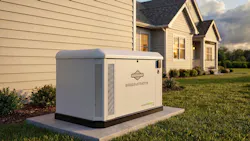

Residential demand for reliable backup power continues to climb as severe weather events intensify and the domestic electrical grid faces unprecedented strain. Homeowners want to protect their families and maintain continuity during an outage. They look to you—the professional electrical contractor—as the expert guide who can deliver safety and peace of mind.
For your business, this demand represents a significant opportunity to drive high-margin installation revenue. However, deploying a home standby system requires navigating a maze of technical challenges, including National Electrical Code requirements, National Fire Protection Association standards, local zoning ordinances, and unique property layouts.
Your site selection decisions directly affect system safety, project profitability, and long-term equipment reliability. By mastering these installation variables, you can deliver efficient installations that eliminate callbacks, protect your bottom line, and position your business as the ultimate authority in home resilience.
The Economics of Strategic Site Selection
Every linear foot of distance between the standby generator, the automatic transfer switch, the main electrical service panel, and the gas utility meter introduces variable costs that can quickly erode your profit margins. Long runs require additional trenching, PVC or rigid conduit, and heavy-gauge copper wiring.
To deliver a cost-effective installation, place the generator as close to both the electrical service entrance and the gas utility meter as standard codes allow. Minimizing the physical distance of the installation reduces the risk of voltage drop, saves hours of labor, and minimizes material expenses. This strategic placement allows you to present a more competitive bid to the homeowner while preserving your internal project margins.
Acoustic Management
While proximity to the service entrance is critical for cost-effectiveness, you must balance layout economics with acoustic comfort. A home standby generator includes a powerful mechanical engine. Even with modern acoustic enclosures, these systems produce distinct operational sounds and low-frequency vibrations during weekly self-test cycles and extended power outages.
A frequent source of homeowner dissatisfaction and post-installation complaints is placing the unit directly outside a bedroom window or wall. Sound waves can easily transfer through exterior siding, insulation, and drywall, disrupting the sleep of the residents inside.
When evaluating a property layout, look for locations adjacent to garages, utility rooms, or blank structural walls that naturally absorb sound. Remind the homeowner that the unit will run automatically for scheduled maintenance. Placing it away from living areas ensures these necessary tests do not interrupt daily life.
Navigating Specific Clearance Requirements
Safety and strict code compliance form the baseline of any professional electrical installation.
When positioning a standby generator, NFPA 37 (Standard for the Installation and Use of Stationary Combustion Engines and Gas Turbines) dictates the minimum distance requirements from combustible structures and building openings.
To ensure a passed inspection and safe operation, contractors must adhere to specific, non-negotiable clearance zones around the equipment enclosure:
- Structure Clearance: A minimum of 18 inches of clearance is required from the back of the generator enclosure to a stationary exterior wall of the home, provided the unit has been fire-tested and certified for close-clearance installation.
- Structural Openings: The unit must be positioned at least 5 feet (60 inches) away from any building openings. This includes operable or inoperable windows, doors, fresh air intakes, soffit vents, and window wells. This safety buffer helps prevent deadly carbon monoxide and engine exhaust from infiltrating the living space.
- Operational and Service Clearance: A minimum of 36 inches (3 feet) of clear space must be maintained at the front and both ends of the generator enclosure. This space ensures adequate cooling airflow and provides service technicians with safe, code-compliant working access. This zone must remain completely free of architectural features, fences, or vegetation.
- Overhead Clearance: A minimum of 60 inches (5 feet) of vertical clearance is required from the top of the generator enclosure to any structural overhangs, roof eaves, balconies, or architectural projections. The generator must never be installed beneath an enclosed deck.
Thermal Dynamics
While standard dimensional clearances apply to the physical placement of an enclosure relative to a structure, how the engine manages its thermal output within that footprint is critical to protecting the property. Traditional standby generators often intake air from one side and vent high-temperature exhaust out the rear or opposite side panels. Under full electrical load, these legacy configurations create concentrated pockets of extreme heat directly adjacent to the home or surrounding assets.
This is where the right equipment choice changes the game. PowerProtect+ Standby Generators from Briggs & Stratton address this challenge through advanced front-exhaust engineering. The system pulls cool ambient air through the back and sides of the enclosure and expels the high-velocity hot air directly out the front panel, pushing it safely away from the home.
This directional airflow pattern provides major protection against secondary property damage:
- Vinyl Siding and Paint Protection: Deflecting extreme thermal energy forward prevents the warping, melting, or blistering of exterior vinyl siding and paint that frequently occurs when heat accumulates against a rear wall.
- Air Conditioning Condenser Preservation: Placing a standard side- or rear-exhaust generator near an outdoor AC compressor can cause the HVAC system to draw in pre-heated air. This triggers high-head pressure faults and can damage the compressor. The front-exhaust design eliminates this risk by directing thermal energy away from adjacent mechanical equipment.
- Landscaping Safeguards: High-temperature side exhaust can quickly kill expensive turf, ornamental shrubs, and foundational plantings. Pushing the exhaust stream forward into open, non-vegetated driveway or lawn zones preserves the homeowner's landscaping investments.
Engineering for Extreme Environments
Geographic and climatic variables introduce specific environmental challenges that you must evaluate during the initial site planning phase.
Snow Accumulation and Drift Management
In northern climates, heavy snowfall and wind-driven drifting can block air intakes or choke the engine exhaust, causing the unit to shut down during a critical winter power outage. When planning installations in these regions, evaluate historical local drift patterns. Avoid placing the generator in narrow alleys between buildings where snow naturally funnels and accumulates. Additionally, always elevate the generator on an engineered concrete pad or a heavy-duty riser that lifts the base of the machine well above the local average snow accumulation line. This ensures that the air intake paths and the exhaust grille remain completely unobstructed all winter long.
Coastal Zones and Salt Spray Mitigation
In coastal environments, airborne salt, high humidity, and driving rain accelerate galvanic corrosion, which can rapidly degrade standard sheet metal enclosures and critical electrical connections.
When installing systems near saltwater bodies, specify models built with high-grade, corrosion-resistant aluminum enclosures. Ensure the installation location provides some natural structural protection from direct marine winds, while still maintaining the open airflow paths required for proper engine cooling. Treating electrical termination points with approved anti-corrosion compounds during installation further ensures long-term system reliability.
Rising Above the Risk: Flood Zones and Roof Mounting
In high-risk flood zones and dense urban environments, traditional ground-level installation may be structurally unfeasible or prohibited by local floodplain ordinances. Highwind kits are available to help maintain housing structural integrity when units are elevated. Many jurisdictions require this.
Flood-Prone Areas and Platform Elevation
When working in designated floodplains, the entire generator system must be elevated above the local Base Flood Elevation determined by FEMA guidelines and municipal codes. Floodwaters can instantly disable backup equipment, causing catastrophic internal engine damage, short-circuiting, and fuel contamination.
Contractors should utilize engineered steel support frames, raised reinforced concrete piers, or heavy-duty composite pedestals to lift the unit securely above local storm surge lines. For areas prone to high-velocity water flow or hurricanes, fully welded, hot-dip galvanized steel stands with deep structural footers concreted directly into the ground provide the necessary resistance against floating debris and hydraulic forces.
Roof-Mounting Requirements
When ground space is completely unavailable due to tight property lot lines, mounting the generator on a residential or commercial roof is a viable alternative, provided it complies strictly with NFPA 37, Section 4.1.3. Roof-mounted installations place unique technical demands on the contractor:
- Surface Composition: The surface beneath the generator housing and extending a minimum of 12 inches beyond it in all directions must be completely non-combustible. Coordinate with roofing professionals to ensure approved fire-rated materials are deployed.
- Structural Integrity: A licensed structural engineer must verify that the roof framework can support the dead load of the generator, full fuel reservoirs, and the dynamic load generated during engine operation.
- Vibration and Sound Isolation: To prevent acoustic and mechanical vibration from transferring into the living spaces below, anchor the unit using industrial-grade vibration isolators and dampening pads.
- Maintenance Access: The installation location must remain safely accessible for service technicians during inclement weather, ensuring that oil changes, battery testing, and component swaps can be performed safely.
Delivering Peace of Mind
Your reputation as an electrical contractor depends on the safety, reliability, and visual integration of the systems you install. By approaching every residential standby project with a firm grasp of site economics, acoustic placement, strict code compliance, and thermal management, you protect your customers and secure your business growth. Partnering with Briggs & Stratton and utilizing the PowerProtect+ portfolio gives you the engineered solutions needed to overcome property limitations, prevent property damage, and deliver a clean, professional installation every time.